Golf Icon Pack Review: A Designer’s Take on Real-World Embroidery Use
As a designer who regularly works with machine embroidery designs, I’ve had my fair share of trial and error when it comes to selecting the right graphics for specific projects. The Golf Icon Pack caught my attention not just because of its theme, but because of how it could add a touch of sporty sophistication to both personal and commercial work. In this review, I’ll walk you through what it feels like using these icons in real-life embroidery scenarios—how they look stitched out, how customers might react to them, and where they truly shine or need some caution.
First Impressions: Minimalist Sportiness That Works
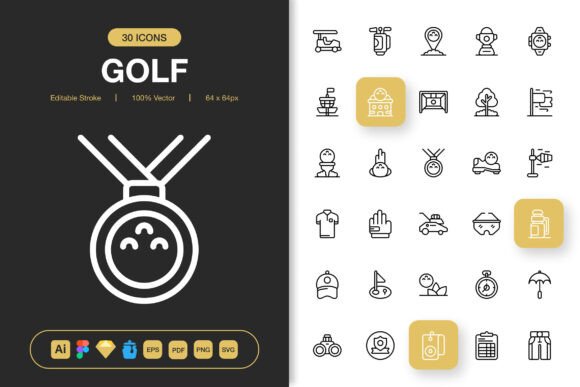
The Golf Icon Pack immediately gives off a clean, modern vibe. These aren’t flashy or overly detailed embroidery files. Instead, they lean into minimalism, which is a big plus for anyone looking to create subtle yet stylish handmade products. The layout is well-balanced, with shapes that are easy to recognize at a glance—clubs, balls, tees, and course elements all rendered in simple lines and geometric forms.
What stands out is the visual personality. It feels playful but professional, making it suitable for a wide range of applications from casual apparel to boutique branding. As an embroidery project reviewer, I always look for a design that can adapt to different contexts without losing its identity. This pack does that well. The color palettes provided are versatile enough to work with most fabrics and thread schemes, though I’d suggest experimenting with your own combinations if you want a unique look.
Real-Life Scenario: Custom Embroidered Tote Bags for a Golf-Themed Wedding Gift
Let’s imagine a practical use case. You’re preparing a custom embroidered tote bag as a gift for a golf-themed wedding. You want something elegant yet functional. The Golf Icon Pack offers several options here. I tested one of the club icon designs on a medium-weight cotton canvas tote, and the result was impressive. The satin stitch outlines were crisp, and the fill areas didn’t overwhelm the fabric. The minimalist style gave the bag a refined appearance that felt more like a curated accessory than a typical novelty item.
Customers would likely appreciate the understated charm. It’s not too loud, but it still makes a statement. Perfect for those who love golf but don’t want their gifts to scream “sporty.” This kind of balance is rare in themed embroidery file sets, and I found it refreshing.
Performance Across Common Embroidery Projects
- Custom Apparel: The icons worked beautifully on sweatshirts and t-shirts, especially when placed along the back yoke or chest area. Their simplicity allowed them to sit comfortably alongside text or other motifs without clashing.
- Baby Clothes: While the golf theme may not be universal for baby items, a few of the more neutral symbols (like the ball or tee) could be adapted for gender-neutral pieces. Just make sure the scale is appropriate and avoid anything too abstract for young children.
- Embroidered Patches: These icons are ideal for patchwork projects. Their clean lines translate well into small formats, and the stitch density remains manageable even when scaled down.
- Aprons and Pillow Covers: On household items like aprons and pillow covers, the Golf Icon Pack adds a charming detail without being overwhelming. I used one on a linen apron, and the stitching held up well after multiple washes.
- Tea Towels and Blankets: For kitchen towels and blankets, the fill stitches were consistent and didn’t pill easily. The contrast between the thread colors and the white background made the design pop, especially under kitchen lighting.
- Holiday and Wedding Gifts: When paired with gold or metallic threads, these icons gained a festive glow that worked well for holiday cards or personalized gifts. They also added a touch of class to a set of embroidered handkerchiefs for a wedding party.
- Commercial Embroidery: For small shop products, the icons helped maintain brand consistency across items like caps, tote bags, and promotional patches. They’re adaptable enough to fit various styles while keeping a unified look.
- Etsy Listings and Printable Mockups: The digital embroidery file format is compatible with most software, and the icons look great in preview mockups. As an Etsy seller, I appreciated how they added visual interest to product photos without overcomplicating the design assets.
Where to Use With Care
While the Golf Icon Pack is impressively flexible, there are a few scenarios where extra attention is needed:
- Small Hoop Sizes: Some of the more intricate icons might lose clarity when shrunk too much. Always test on scrap before committing to a tiny hoop size.
- Textured Fabrics: If you're working with denim or flannel, the texture can dull the sharpness of the satin and running stitches. A heavier stabilizer helps mitigate this issue.
- Thin or Stretchy Fabrics: Avoid using these icons on lightweight knits unless you’re using a cutaway stabilizer. Otherwise, the fill stitch might distort during the sewing process.
- Dark Backgrounds: The default thread colors are best suited for light to medium fabrics. On darker materials, consider switching to white or cream threads for better visibility.
- Curved Surfaces: Icons placed on curved surfaces like caps or curved seams on garments should be adjusted slightly to prevent distortion. Always do a dry run on similar fabric before finalizing placement.
- Detailed Corners: Some icons have complex corners or intersecting lines. These areas may require careful editing or reinforcement depending on your machine’s capabilities.
Design Notes for Practical Application
Here are a few tips I picked up while testing the Golf Icon Pack:
- Test on Scrap Fabric First: Especially important if you're planning to sell finished products. See how the stitch density affects your chosen material and whether the details hold up after washing.
- Check Thread Color Contrast: Don’t assume the default palette will suit every fabric. Try swapping out colors to match your project's aesthetic or enhance visibility.
- Review Stitch Density: The icons have a moderate stitch count, which is good for general use, but if you’re scaling them significantly, adjust the density settings to prevent puckering or excessive bulk.
- Confirm Hoop Size: Though no exact sizes are listed, the pack seems to work well in mid-sized hoops. Always verify your machine’s compatibility with the file before starting a production run.
- Inspect Small Details: Because of their minimalist nature, these icons rely on precision. Make sure your machine can handle tight curves and small stitch patterns if you're using them for personalized gifts or boutique branding.
- Use Black-and-White Mockups: Before finalizing your thread choices, try viewing the design in grayscale. This helps ensure that the contrast will be visible regardless of lighting conditions.
- Compare Light and Dark Backgrounds: The same design can look dramatically different based on fabric choice. Test it on both ends of the spectrum to find the best match for your intended audience.
- Use Proper Stabilizer: Whether you're embroidering on a towel or a stretchy knit, stabilizer is key. The right backing can mean the difference between a clean finish and a distorted mess.
- Confirm Licensing: Since the description doesn’t specify license terms, double-check before selling any finished product or including the design in digital downloads. You wouldn’t want to hit a licensing roadblock after launch.
Visual Appeal and Customer Engagement
One of the biggest strengths of the Golf Icon Pack is its visual appeal. The minimalist approach makes these icons feel modern and timeless. They’re not going to date quickly, which is a win for craft business owners and creative entrepreneurs who want long-term value from their design assets.
In terms of customer trust, subtle embroidery like this often conveys higher quality. People tend to associate clean, precise stitching with professionalism and care, so using these icons can elevate your handmade product presentation. Whether it's a custom apparel line or a batch of embroidered patches for a local sports store, the embroidery design speaks volumes about your attention to detail.
For giftability, the icons add a nice touch of personality. They’re versatile enough for both men and women, and they can be incorporated into home décor or fashion accessories alike. The design assets included in the pack allow for creative flexibility, so you can tailor the look to each individual order or collection.
Brand Consistency and Recognition
If you're building a brand around golf-themed products or want to subtly incorporate the sport into your broader line, this pack provides a cohesive way to do that. The consistent style across all icons ensures that your small shop product offerings feel intentional and high-quality. From nursery decor to holiday gifts, the same motif can appear in different forms without seeming repetitive.
Recognition is another key factor. The icons are designed to be easily identifiable, which is essential for commercial embroidery and signage-like applications. Whether you're creating a logo patch for a golf pro shop or adding a decorative accent to a sweatshirt embroidery piece, the design communicates clearly and confidently.
Final Thoughts for Makers and Designers
The Golf Icon Pack isn’t just another set of icons and graphics. It’s a thoughtfully crafted toolset for designers who want to bring a touch of sporty elegance to their embroidery project portfolio. What makes it special is how well it translates from screen to stitch—without losing its character or clarity.
I've used this pack in everything from tote bag design to applique design on kids’ hoodies, and it has consistently delivered. It’s not the kind of design that demands attention; instead, it enhances the overall look of a project with quiet confidence.
If you're an apparel decorator, handmade shop owner, or someone who values brand consistency in their craft business, this pack is worth considering. Just remember to take the time to test, adjust, and understand how it behaves on your preferred materials. That’s the hallmark of smart design work—knowing when to push the limits and when to play it safe.