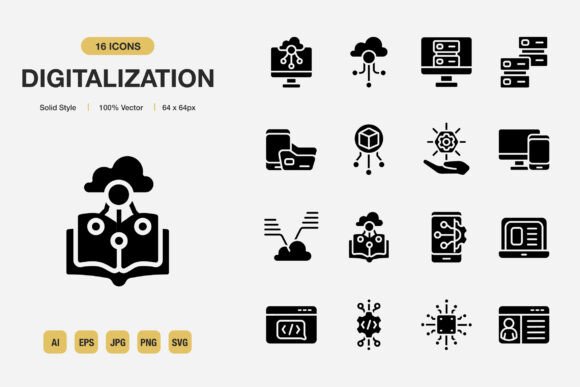
Digitalization Solid Icons: Graphics That Elevate Design
As a designer working on a variety of creative projects, I always look for reliable graphic design assets that can enhance the visual language of a brand. Digitalization Solid Icons stood out as a set of high-quality icons that could seamlessly integrate into multiple design directions. From the first glance, the minimalist style and clean lines suggested a modern approach to visual communication, making it ideal for brands aiming for a sleek and professional aesthetic.
The Visual Mood and Style of Digitalization Solid Icons
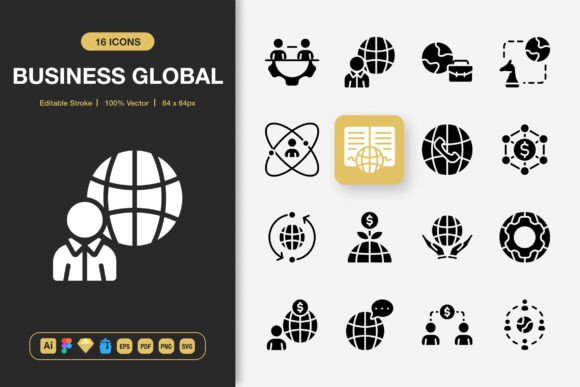
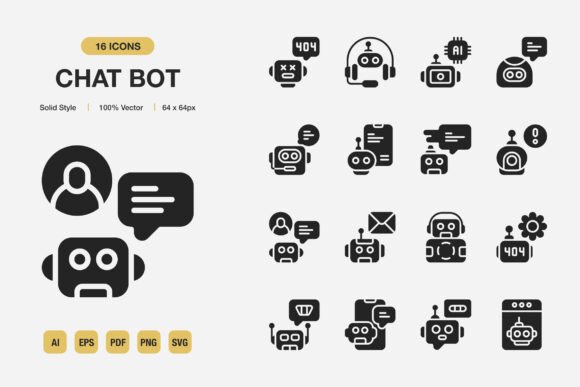
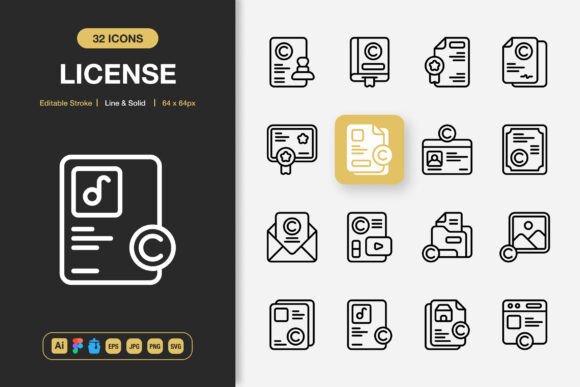
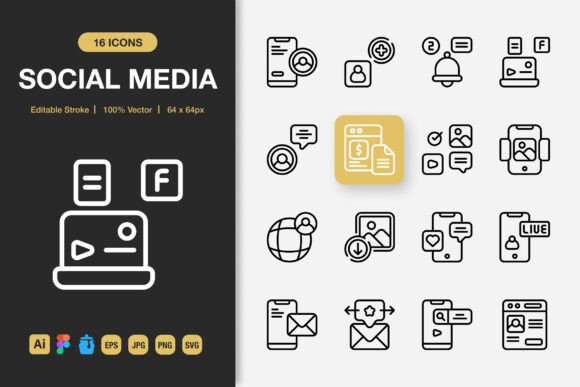
Digitalization Solid Icons exudes a calm and sophisticated mood. The consistent stroke width, balanced proportions, and subtle shadows create a sense of depth without overwhelming the design. This makes it particularly effective for projects that require a polished yet unobtrusive visual presence. The design language feels versatile enough to work in both digital and print environments, which is a big plus for any designer juggling multiple mediums.
For a small business owner launching an online store, these icons could serve as a foundation for branding elements like website navigation, social media graphics, and product packaging. Their simplicity allows them to complement a wide range of color schemes and typography choices, making them a valuable addition to any design bundle.
Real-World Applications of Digitalization Solid Icons
When integrating Digitalization Solid Icons into real design situations, their utility becomes apparent. In logo design, they offer a subtle but impactful way to reinforce brand identity through visual cues. For brand identity projects, they can be used to create cohesive visual systems across marketing visuals, editorial design, and web design.
In packaging design, these icons can add a touch of refinement to product labels or promotional materials. They also work well in t-shirt design, sticker design, and merchandise, where clarity and legibility are essential. For a handmade business or local event, the icons provide a professional edge without sacrificing the charm of a personalized touch.
On social media, Digitalization Solid Icons can enhance the visual appeal of Instagram posts, Pinterest pins, and Canva templates. Their clean style aligns with current trends in digital ads and editorial design, making them a go-to choice for content creators looking to maintain a consistent aesthetic.
Where Digitalization Solid Icons Thrives
Digitalization Solid Icons excels in large layout areas and hero graphics, where their boldness can make a strong visual statement. They also shine in product mockups, decorative accents, and themed collections, offering a level of detail that adds depth to any project. For a seasonal campaign or printable wall art, these icons can bring a sense of cohesion and professionalism to the final design.
They are especially useful in commercial design and print-on-demand projects, where consistency and quality are key. Whether it's for an Etsy product, a Cricut project, or a sublimation design, Digitalization Solid Icons provides a reliable base that can be adapted to various formats and applications.
Where to Use with Caution
While Digitalization Solid Icons are versatile, there are scenarios where they may not perform as well. In small sizes, the details can become lost, making them less effective for micro-level design elements. In crowded layouts, their simplicity might not stand out against more complex visual elements.
Projects that require a very clean visual hierarchy, such as professional corporate materials or minimalist branding, may need additional design considerations. Low-contrast backgrounds or complex designs could also dilute the impact of these icons, requiring careful placement and adjustment.
Impact on Readability and Brand Consistency
One of the most important aspects of any design asset is its ability to support readability and brand consistency. Digitalization Solid Icons contribute to a clear visual hierarchy, ensuring that key messages remain prominent while maintaining a cohesive look across all materials. Their uniformity helps build visual trust and recognition, which is crucial for audience engagement and brand recall.
For a small business branding project, these icons can help establish a professional image that resonates with the target audience. Whether it's for a blog visual, a digital ad, or a packaging design, the consistent style reinforces the brand’s identity and strengthens its overall impression.
Practical Designer Notes
Before using Digitalization Solid Icons for a client project, it's essential to test them in different contexts. Previewing them at small and large sizes helps ensure they remain legible and visually appealing. Checking contrast on light and dark backgrounds is also important, as this affects how well the icons perform in various environments.
Testing print quality is another critical step, especially if the icons will be used in physical products like t-shirts, mugs, or tote bags. Reviewing file formats—such as SVG design or PNG design—ensures compatibility with different design software and platforms. If transparency is involved, inspecting PNG files for proper alpha channels is necessary for seamless integration.
Comparing the icons with different font styles, from serif to display fonts, can help determine how they interact with text elements. Confirming commercial licensing is equally important, as it ensures the asset can be used without legal complications in a client project.
Conclusion: A Valuable Addition to Any Designer’s Toolkit
Digitalization Solid Icons offers a compelling combination of style, versatility, and practicality. Whether you're working on a handmade business, a small business branding project, or a digital product, these icons can elevate the visual quality of your work. Their minimalist design aligns with modern design trends while remaining adaptable to a wide range of creative applications.
For designers seeking a reliable graphic design asset that supports both digital and print needs, Digitalization Solid Icons is worth considering. With proper testing and thoughtful application, it can become an essential part of your creative marketplace toolkit.